January 6, 2026
Designing a kitchen is a complex process that involves a multitude of considerations to ensure functionality, aesthetics, and efficiency. This article explores the key factors to be considered when undertaking a kitchen design project, providing insights into creating a space that meets personal and practical needs. Each section will delve into specific elements that contribute to a well-designed kitchen.
Layout and Workflow
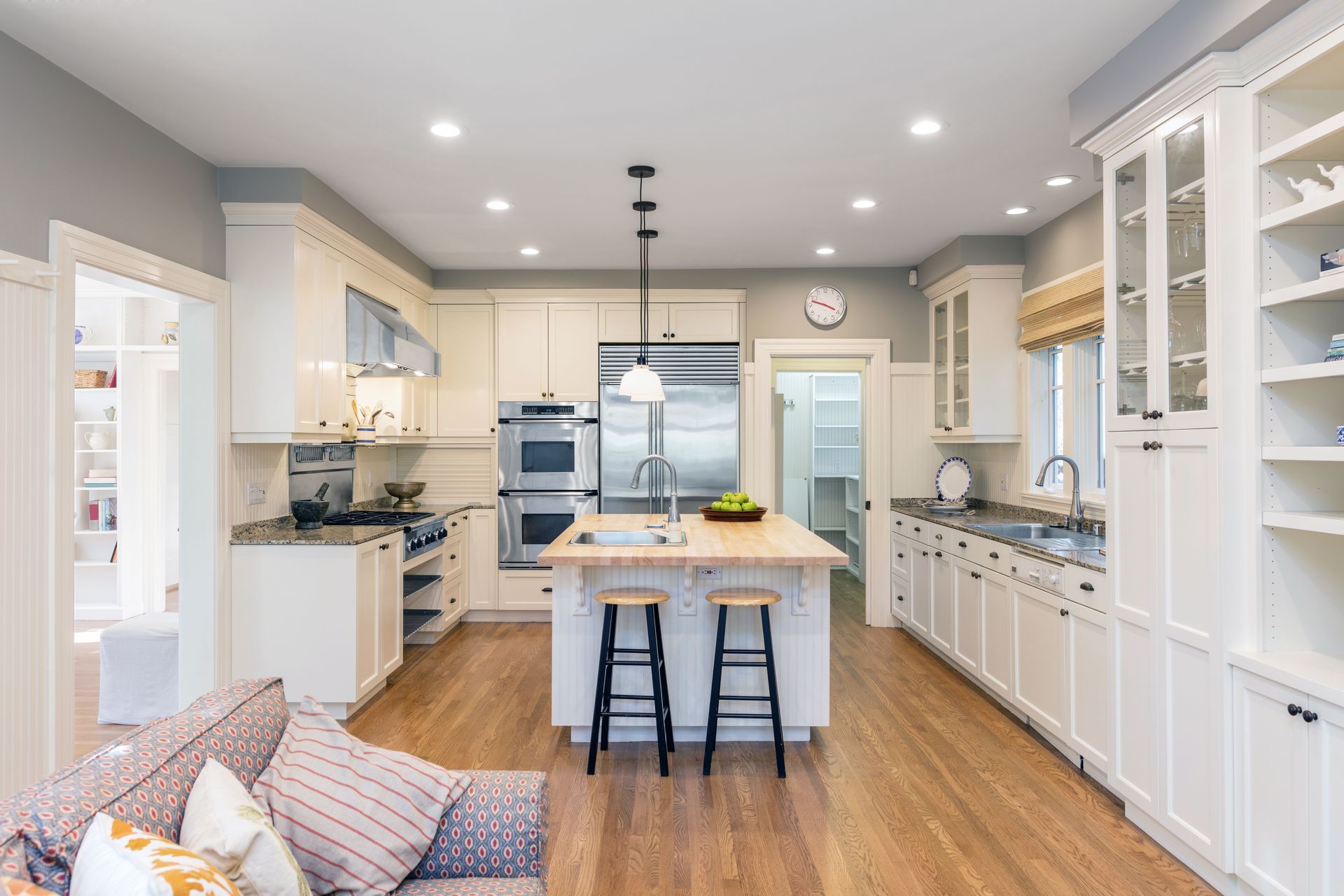
The kitchen triangle is a fundamental element in kitchen design that refers to the optimal relationship between the stove, sink, and refrigerator. This layout is designed to minimize unnecessary movement, enhancing efficiency while preparing meals. This configuration streamlines workflow by reducing steps and avoiding cross-traffic. Modern adaptations of the triangle consider additional appliances like microwaves and dishwashers, integrating them into the functional flow.
In contemporary kitchen designing, delineating distinct zones is crucial for optimizing space usage and efficiency. Typical zones include food preparation, cooking, cleaning, and storage, each tailored to streamline tasks specific to their function. Workstations within these zones can be further specialized with tools and materials necessary for particular tasks, enhancing productivity and reducing clutter. The design should ensure that each zone is intuitively arranged for natural workflow and minimal movement between tasks.
Choosing between open and closed layouts depends on the homeowner's lifestyle and space constraints. An open kitchen fosters social interaction, allowing seamless integration with living and dining areas, creating an inviting atmosphere for gatherings. However, open layouts often challenge noise and privacy control, making it important to balance these with visual aesthetics. Conversely, closed kitchens provide distinct separation, offering focused cooking spaces and potentially more storage options. Each layout has its strengths, and the choice should reflect the kitchen's primary use and the homeowner's personal preferences.
Storage Solutions
Cabinets are essential for organizing a kitchen, serving both functional and aesthetic purposes. According to Houzz, 91% of homeowners who remodeled their kitchen upgraded their countertops. Choosing the right cabinetry involves considering materials, styles, and storage needs that match the kitchen's overall design vision. Features like soft-close doors, multi-tier shelves, and corner cabinetry enhance usability and maximize space. Personalized cabinetry solutions like pull-out pantries or spice racks add convenience and cater to specific cooking habits. Opting for flexible and innovative cabinetry not only increases storage efficiency but also complements the kitchen's design ethos.
Creating an effective pantry design is crucial for efficient food storage and accessibility. It should be proportionate to the kitchen size and household needs, offering ample space for dry goods, perishables, and kitchen equipment. Incorporating adjustable shelving and transparent containers aids organization and visibility, preventing waste and simplifying meal preparation. Lighting and ventilation are also important, ensuring goods are stored in an optimal environment to maintain freshness.
Innovative storage accessories can significantly enhance kitchen organization by optimizing available space. Pull-out trays, lazy Susans, and drawer dividers cater to various kitchen items, preventing clutter and improving access. Vertical dividers for cutting boards and pans, along with hanging systems for pots and utensils, make use of otherwise overlooked spaces. These accessories help maintain order and efficiency, ensuring that essential items are within easy reach. For households aiming to address specific storage needs, such innovations prove invaluable in creating a versatile and adaptable kitchen space.
Materials and Finishes
Cabinet materials significantly influence the kitchen's durability, maintenance, and visual appeal. Options range from solid wood, offering timeless beauty and strength, to engineered materials like MDF, providing cost-effective yet stylish alternatives. Wood veneers and laminates present modern aesthetics while resisting warping and moisture damage, essential for long-term use in high-humidity environments. Additionally, the finish applied to cabinets—such as paint, stain, or varnish—affects maintenance ease and style cohesion. A well-considered selection aligns the cabinetry with the overall design, ensuring sustainability and aesthetic harmony.
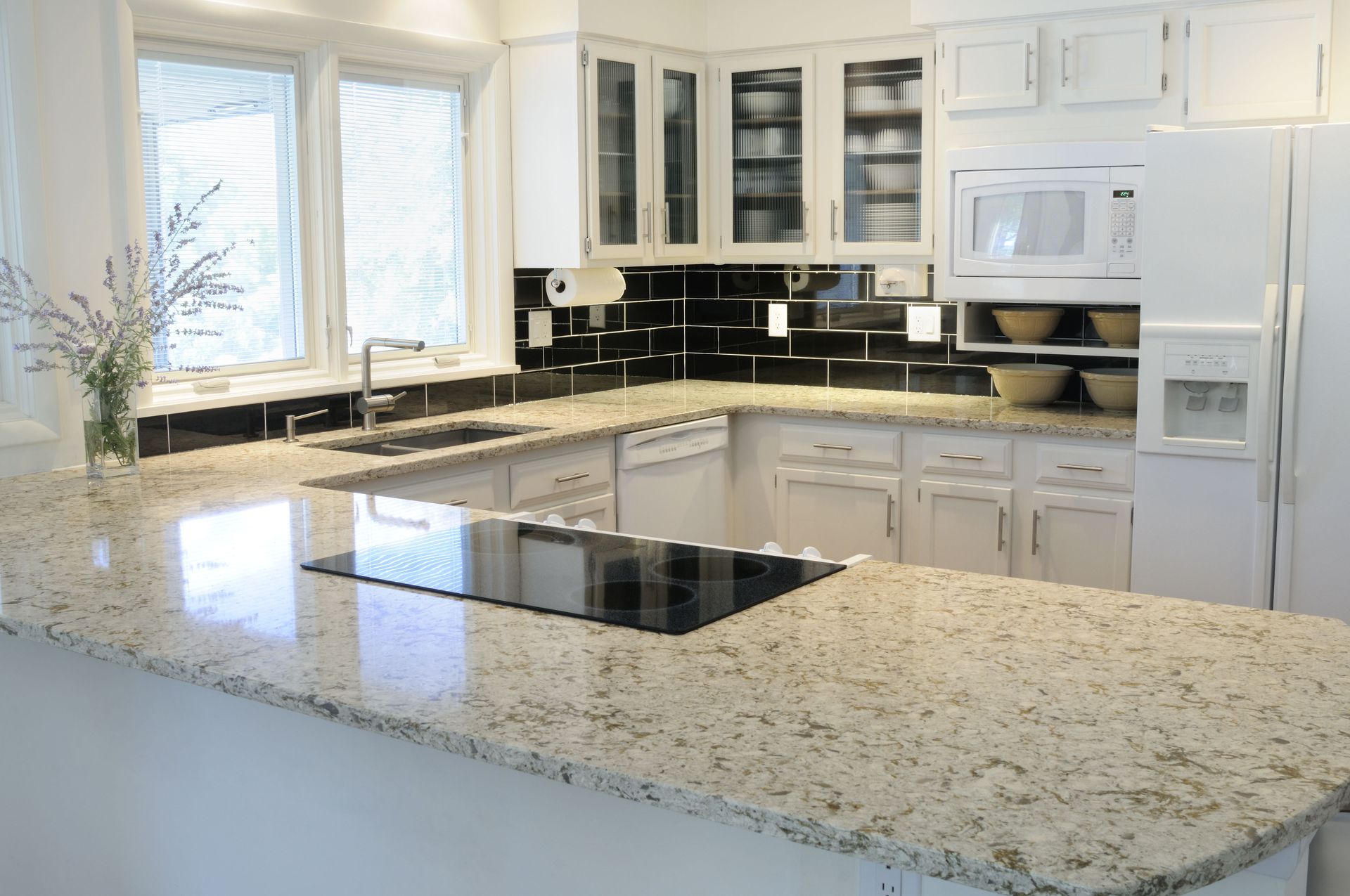
The selection of countertops plays a vital role in kitchen functionality and design coherence. Materials like granite and quartz offer robust, elegant surfaces, renowned for their resistance to heat and scratches, making them popular choices for busy kitchens. Laminate countertops provide an affordable yet versatile option, available in a myriad of finishes and colors suitable for diverse design themes. In contrast, stainless steel and solid surface options offer lower maintenance solutions, adding a contemporary edge to the space. The choice should reflect the homeowner's lifestyle, cooking habits, and the kitchen's overall aesthetic.
Flooring is a crucial component in kitchen design, impacting both aesthetics and everyday practicality. Materials like tile, hardwood, and vinyl each offer unique benefits, from ease of cleaning to durability and comfort. Tile, with its water-resistant properties, suits high-traffic kitchens, while hardwood offers warmth and elegance, requiring more careful maintenance. Vinyl's diverse patterns and cushioning make it a comfortable, budget-friendly choice for long periods spent standing. Choosing the right flooring material ensures durability, aligns with budget constraints, and enhances the kitchen's design continuity.
Appliances and Technology
Choosing essential appliances is foundational for kitchen design, directly influencing layout and functionality. Core appliances include the refrigerator, stove, oven, and dishwasher, available in various configurations to suit user habits and kitchen dimensions. Energy-efficient models with modern features enhance longevity and performance, reducing utility costs and environmental impact. Integration with cabinetry creates a seamless look, turning appliances into design elements rather than functional necessities. Selecting the right combination assures a balance between meeting practical cooking needs and aesthetic aspirations.
Energy efficiency is paramount in modern kitchen design, with significant advancements in appliance technology reducing consumption. Appliances with Energy Star ratings exemplify this, offering environmentally friendly and cost-effective solutions throughout their lifecycle. Efficient lighting and water-saving fixtures further reduce the kitchen's carbon footprint, contributing to sustainable living. These considerations not only lower operating costs but also align with global trends towards eco-consciousness, appealing to environmentally minded homeowners. The rise in energy-efficient design reflects larger shifts in both technology and consumer values.
Integrating smart technologies in the kitchen reshapes daily culinary experiences, enhancing convenience and control. Voice-activated assistants, smartphone-controlled appliances, and sensor-equipped systems illustrate the future of cooking environments, allowing seamless operation and monitoring. Smart refrigerators with internal cameras aid in meal planning and inventory management, offering remote access to contents. These innovations streamline tasks, offering energy savings and personalized user experiences, which are increasingly important as tech-savvy homes become the norm. Adopting smart technology future-proofs the kitchen, staying ahead of trends and user needs.
Lighting Design
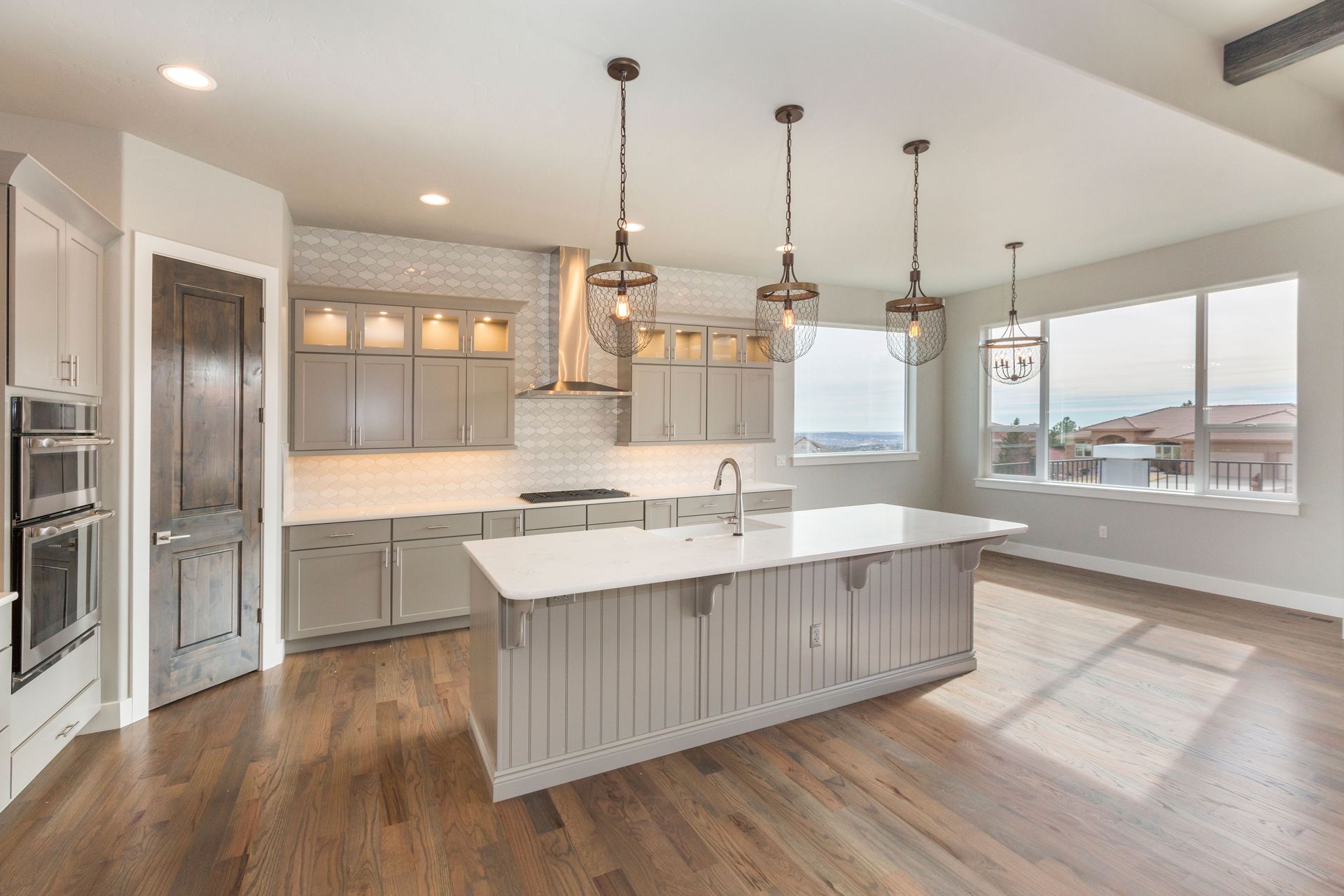
Lighting is a crucial element in kitchen design, affecting functionality, ambiance, and aesthetics. The three primary lighting types—ambient, task, and accent—each serve distinct purposes, ensuring complete coverage for all kitchen activities. Ambient lighting offers general illumination, often achieved through ceiling-mounted fixtures or recessed lights. Task lighting provides focused light for specific tasks like cooking or food preparation, commonly installed under cabinets. Accent lighting highlights design features and decor, enhancing the kitchen's aesthetic appeal while providing a layered lighting scheme.
Task lighting is vital for illuminating work areas, enhancing safety and efficiency during food preparation. Strategic placement under cabinets or along countertops ensures bright, directed light without casting shadows or glare on work surfaces. Adjustable fixtures add flexibility, allowing customized intensity and focus according to specific tasks being performed. LED strips or focused pendant lights are popular choices, balancing energy efficiency with contemporary style. Incorporating effective task lighting supports a functional kitchen environment, complementing overall lighting design while improving the culinary experience.
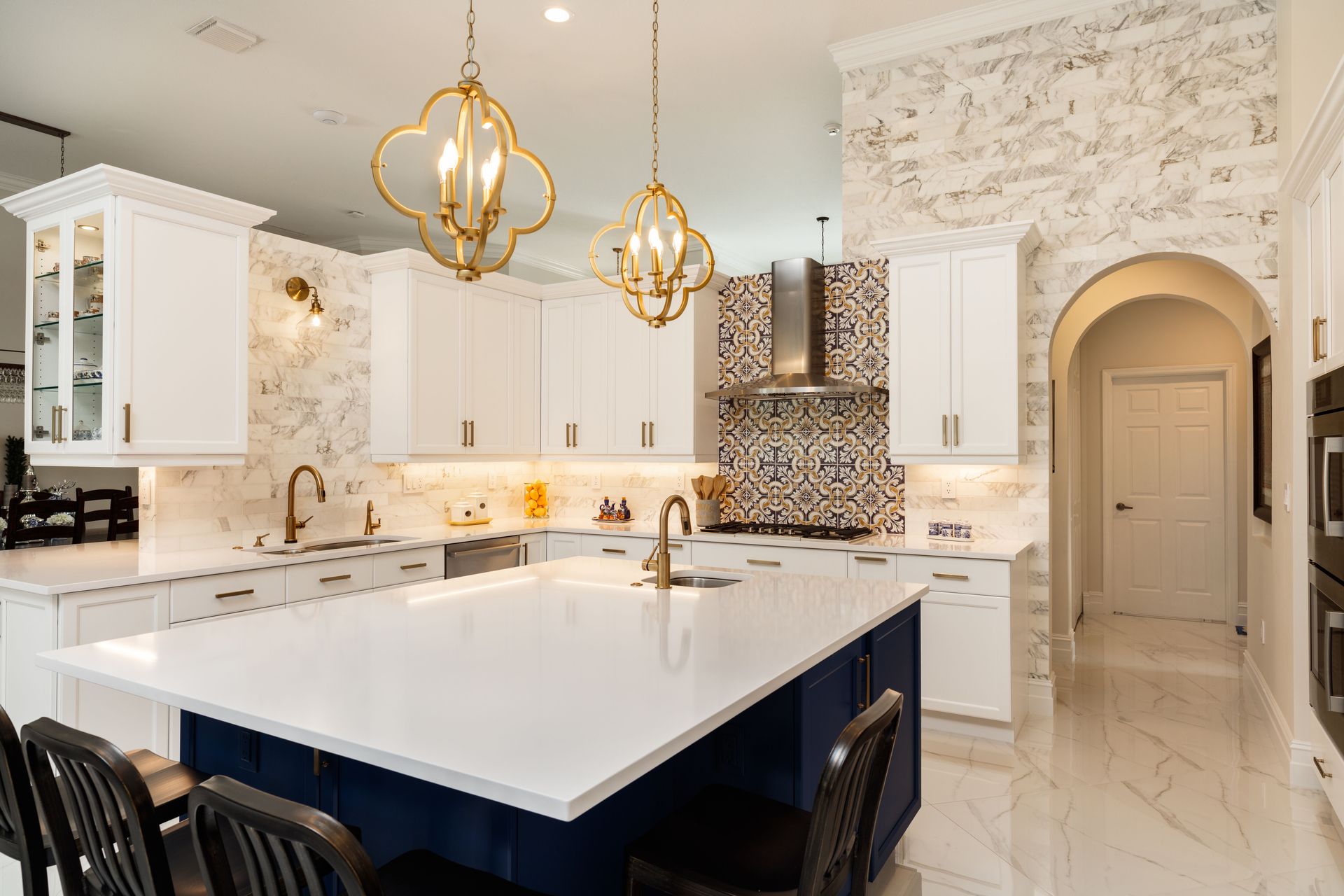
Ambient lighting serves as the kitchen's primary light source, establishing mood and overall visibility. Fixtures like chandeliers or ceiling-mounted LED panels create a welcoming atmosphere, ensuring an even glow that highlights the room's features and enhances its spaciousness. Accent lighting, such as spotlights or LED strips along architectural details, adds depth and interest, accentuating personal style and enhancing design focus. Together, these lighting types synergize to create a dynamic and visually appealing kitchen, blending form and function seamlessly. Properly layered lighting enhances usability while defining the kitchen's character and sophistication.
A well-designed kitchen is the result of countless interconnected decisions, from layout and storage to materials, technology, and lighting. Because each choice impacts both function and long-term value, partnering with a professional kitchen designer can make a meaningful difference. Experienced designers bring technical expertise, industry insight, and creative problem-solving to the process, helping homeowners avoid costly mistakes while maximizing space, efficiency, and visual appeal. For professional
kitchen designing, contact Seasons Interiors today.